Overview of Tirandaz Legend
Tirandaz Legend represents one of India's most ancient and culturally significant traditional games. With origins dating back over two millennia, this strategic sport has been played across the Indian subcontinent in various forms and adaptations.
Core Concept: Tirandaz Legend is a precision-based target game that combines physical skill with strategic thinking, traditionally played with handmade equipment using natural materials.
The name "Tirandaz" derives from Persian roots, with "Tir" meaning arrow and "Andaz" meaning throw or aim. This etymology highlights the game's fundamental mechanics centered around precision targeting.
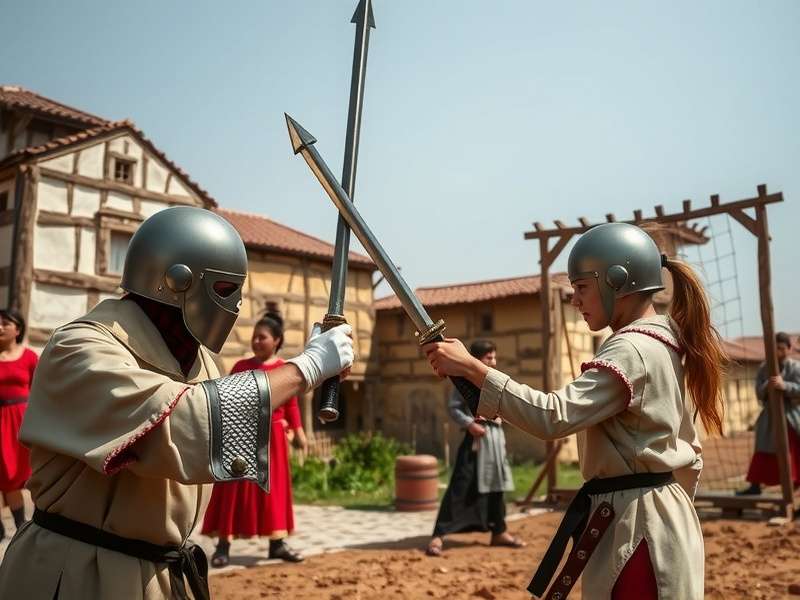
Traditional Tirandaz Legend gameplay showing the precision targeting mechanism
Throughout its long history, Tirandaz Legend has evolved through multiple dynasties and cultural shifts while maintaining its core principles. The game's enduring appeal lies in its perfect balance of simplicity and depth.
Historical Development
The rich history of Tirandaz Legend spans several historical periods, with evidence of similar games found in ancient Indian texts and archaeological discoveries.
Ancient Origins (300 BCE - 600 CE)
Early forms of target-based games resembling Tirandaz Legend appear in Sanskrit literature from the Mauryan and Gupta periods. These references describe games of skill that were popular among both royalty and common people.
Mauryan Era References
Historical texts from this period mention "Kshetras" or playing fields where precision games were conducted, possibly early versions of what would become Tirandaz Legend.
Gupta Golden Age
The game flourished during the Gupta period, with court records indicating organized competitions and standardized rules for what was then called "Lakshya Bhed" (target piercing).
Medieval Period (700 CE - 1700 CE)
During the medieval era, Tirandaz Legend evolved significantly, incorporating influences from various ruling dynasties and cultural exchanges along trade routes.
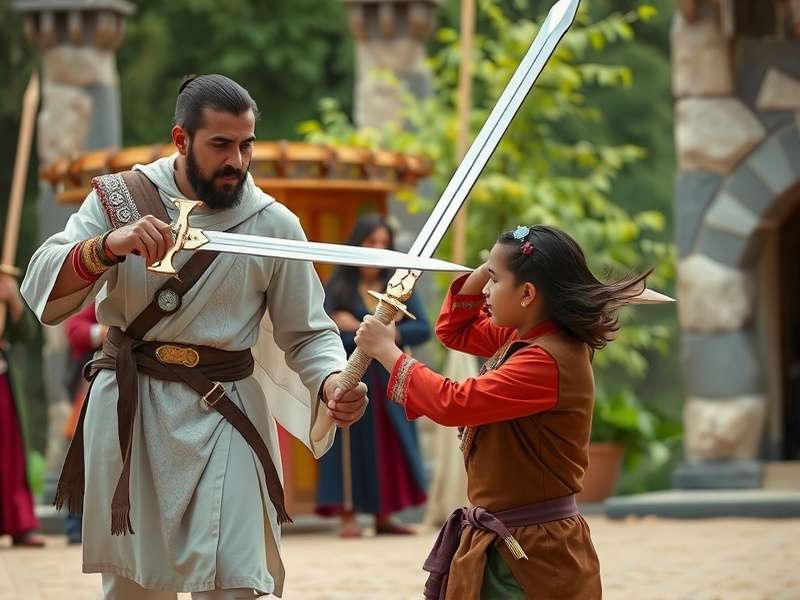
Artistic depictions of Tirandaz Legend from medieval Indian manuscripts
The game's equipment and rules became more standardized during this period, with regional variations developing across different parts of India. The name "Tirandaz" gained prominence during the Delhi Sultanate period.
Colonial Era (1750 CE - 1947 CE)
British colonial records document the widespread popularity of Tirandaz Legend across Indian villages and towns. Despite attempts to suppress indigenous games, Tirandaz continued to be played, often in modified forms.
Historical Significance: During the Indian independence movement, Tirandaz Legend gatherings sometimes served as covert meetings for freedom fighters, adding a layer of political significance to the game's history.
Post-Independence Revival (1947 CE - Present)
After India gained independence, efforts to preserve and promote traditional games led to a renewed interest in Tirandaz Legend. Cultural organizations began documenting rules and organizing competitions.
Game Rules and Mechanics
The traditional Tirandaz Legend follows a sophisticated set of rules that have been refined over centuries. The game balances physical skill with strategic decision-making.
Basic Equipment
Target Board
Traditional targets are circular boards made of compressed straw or wood, measuring approximately 60cm in diameter with concentric scoring zones.
Projectiles
Handcrafted throwing sticks or specialized discs, typically made from tamarind wood or other locally sourced materials with specific weight requirements.
Gameplay Structure
Tirandaz Legend matches are typically played in rounds, with players or teams taking turns to throw projectiles at the target from a designated distance.
Scoring System: The target is divided into multiple concentric circles with different point values. The bullseye (center) typically scores 10 points, with decreasing values toward the outer edges.
Traditional matches consist of multiple "Pheras" (rounds), with the number varying by region and competition level. Each player typically throws 3-5 projectiles per round.
Advanced Techniques
Master players of Tirandaz Legend develop specialized throwing techniques that account for environmental factors like wind direction and surface conditions.
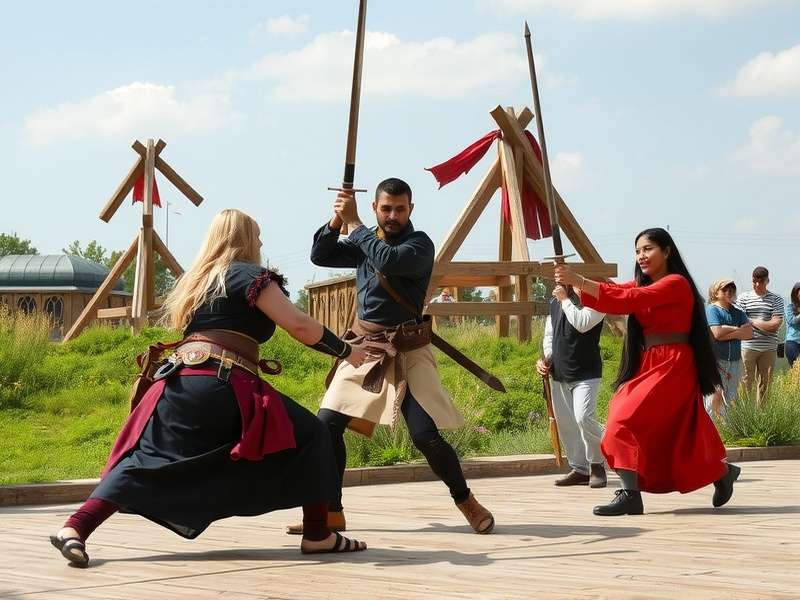
Modern competitive Tirandaz Legend tournament demonstrating advanced techniques
Strategic elements include projectile selection, throwing angle adjustment, and psychological tactics against opponents. The mental aspect of Tirandaz Legend is as important as physical skill.
Cultural Significance and Impact
Tirandaz Legend holds a special place in India's cultural heritage, representing more than just a game but a living tradition that connects generations.
Social Functions
Historically, Tirandaz Legend tournaments served as important social gatherings, bringing together communities across caste, class, and regional divisions.
Community Building
Village tournaments of Tirandaz Legend often coincided with festivals and harvest seasons, strengthening community bonds and resolving disputes through friendly competition.
Artistic Representations
The game has inspired numerous artistic works, including folk songs, dances, paintings, and literary references that celebrate the skill and drama of Tirandaz Legend.
Cultural Legacy: Several Indian proverbs and idioms reference Tirandaz Legend, using the game's terminology to describe precision, focus, and strategic thinking in everyday life.
Regional Variations
Across India's diverse cultural landscape, Tirandaz Legend developed distinct regional characteristics while maintaining its core identity.
Northern Style
Characterized by larger targets and longer throwing distances, emphasizing power and precision.
Southern Style
Focuses on technical finesse with smaller targets and complex scoring systems.
Eastern Variations
Incorporates team dynamics and rhythmic elements into the gameplay structure.
Modern Adaptations and Future
In the 21st century, Tirandaz Legend is experiencing a renaissance through digital adaptations, competitive leagues, and educational initiatives.
Digital Transformation
Mobile applications and online platforms have introduced Tirandaz Legend to global audiences while preserving its traditional essence.
Virtual Tirandaz
Several gaming studios have developed digital versions of Tirandaz Legend that simulate the physics and strategy of the traditional game while adding new features for modern players.
Competitive Revival
Organized tournaments and leagues have emerged, bringing professional structure to Tirandaz Legend competitions with standardized rules and sponsorship.
Future Prospects: The International Traditional Sports Federation is considering recognition of Tirandaz Legend as an official demonstration sport, potentially leading to global competitive platforms.
Educational Integration
Schools and cultural organizations are incorporating Tirandaz Legend into physical education and history curricula to preserve this aspect of Indian heritage.
Research initiatives are documenting the game's history, techniques, and cultural significance to ensure that future generations can appreciate the full depth of Tirandaz Legend.
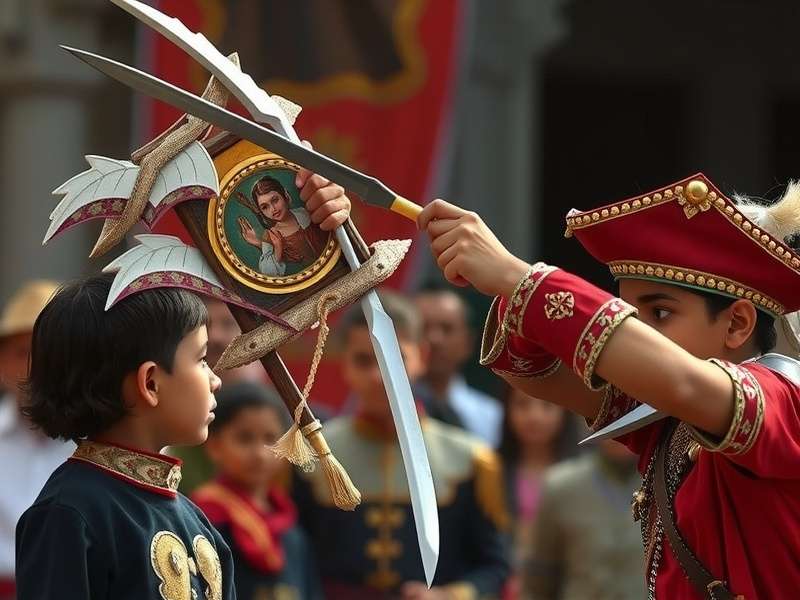
School children learning traditional Tirandaz Legend techniques as part of cultural education
Global Recognition
As interest in traditional sports grows worldwide, Tirandaz Legend is gaining international attention for its unique combination of physical skill, strategy, and cultural richness.
Cultural exchange programs are introducing Tirandaz Legend to new audiences, while academic studies examine its potential benefits for cognitive development and community building.