Overview of Pojo and Friends
Pojo and Friends represents a groundbreaking achievement in the Indian mobile gaming industry, blending traditional cultural elements with modern gaming mechanics. This innovative title has captured the imagination of players across demographics, establishing itself as one of the most successful homegrown gaming franchises in recent memory.
Key Features
The game combines puzzle-solving mechanics with social interaction elements, creating a unique hybrid experience that appeals to both casual and dedicated gamers. With its vibrant visual style and intuitive controls, Pojo and Friends has managed to bridge generational gaps in gaming preferences.
Developed by an Indian studio with deep understanding of local preferences, the game incorporates elements from Indian mythology, folklore, and contemporary culture. This cultural resonance has been instrumental in its widespread adoption across the country, particularly in tier 2 and tier 3 cities where mobile gaming is experiencing explosive growth.
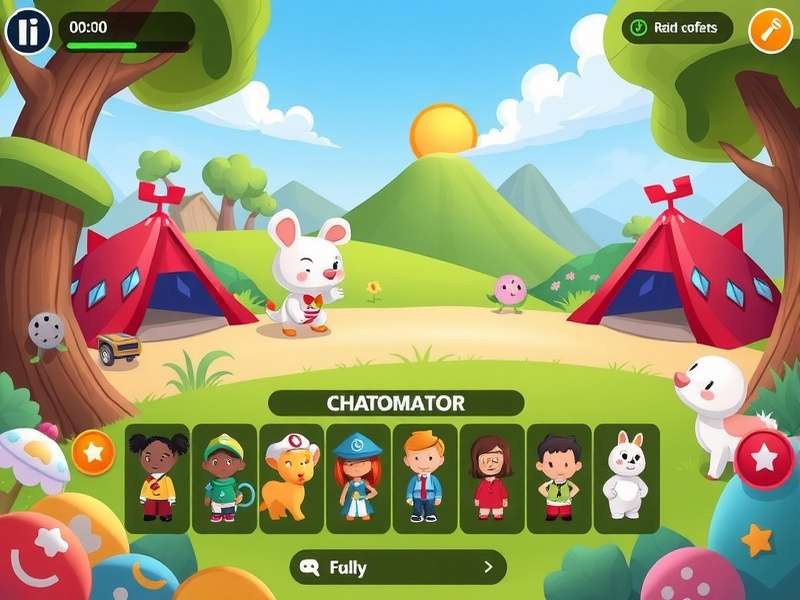
The success of Pojo and Friends can be attributed to its careful balance of accessibility and depth. New players can quickly understand the basic mechanics, while experienced gamers discover layers of strategic complexity that keep them engaged for months. This approach has resulted in exceptional player retention rates that exceed industry averages.
Gameplay Mechanics
At its core, Pojo and Friends employs a match-3 puzzle system enhanced with character-specific abilities and power-ups. Each level presents unique challenges that require both quick thinking and strategic planning. The game gradually introduces new mechanics, ensuring players are constantly learning and adapting.
Did You Know?
Pojo and Friends was among the first Indian mobile games to implement regional language support at launch, contributing significantly to its rural penetration.
Beyond the primary puzzle mechanics, the game features extensive social components. Players can form teams, compete in tournaments, and collaborate on special events. This social dimension has been crucial to its viral growth, as players naturally invite friends and family to join their gaming circles.
Progression System
The progression system in Pojo and Friends rewards consistent play while avoiding predatory monetization practices. Characters level up through gameplay, unlocking new abilities and cosmetic enhancements. The game's economy carefully balances free rewards with premium purchases, creating a fair experience for all player types.
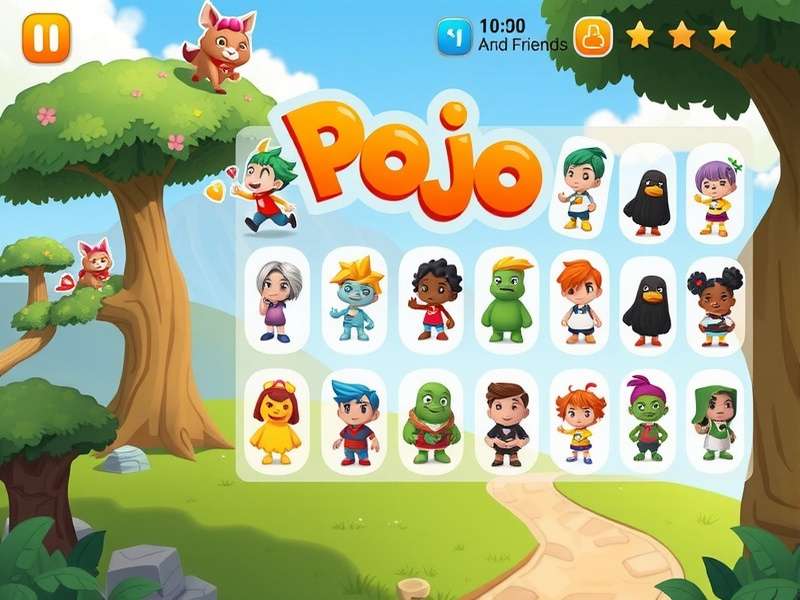
Regular content updates introduce new levels, characters, and game modes, keeping the experience fresh for long-term players. Seasonal events tied to Indian festivals have proven particularly popular, often seeing player engagement spikes of 40-60% during these periods.
Character Roster
The diverse cast of Pojo and Friends includes characters inspired by various regions and cultures of India. Each character possesses unique abilities that align with their thematic origins, creating strategic variety and encouraging players to experiment with different team compositions.
Main Characters
Pojo, the titular character, embodies curiosity and problem-solving skills. Supporting characters include regional archetypes like the wise Guru from the Himalayas, the energetic Dancer from Punjab, and the clever Merchant from Gujarat. This regional representation has helped the game resonate with players across India's diverse cultural landscape.
Character development goes beyond statistical upgrades, with each character featuring their own storyline and quest chains. These narrative elements provide context for the gameplay and create emotional connections between players and the game world. The writing incorporates local humor and references that Indian players particularly appreciate.
Character Synergies
Advanced gameplay in Pojo and Friends revolves around understanding character synergies. Certain character combinations trigger special abilities or stat bonuses, adding a layer of strategic depth. The community has developed extensive guides and tier lists analyzing these interactions, creating a vibrant ecosystem of player-generated content.
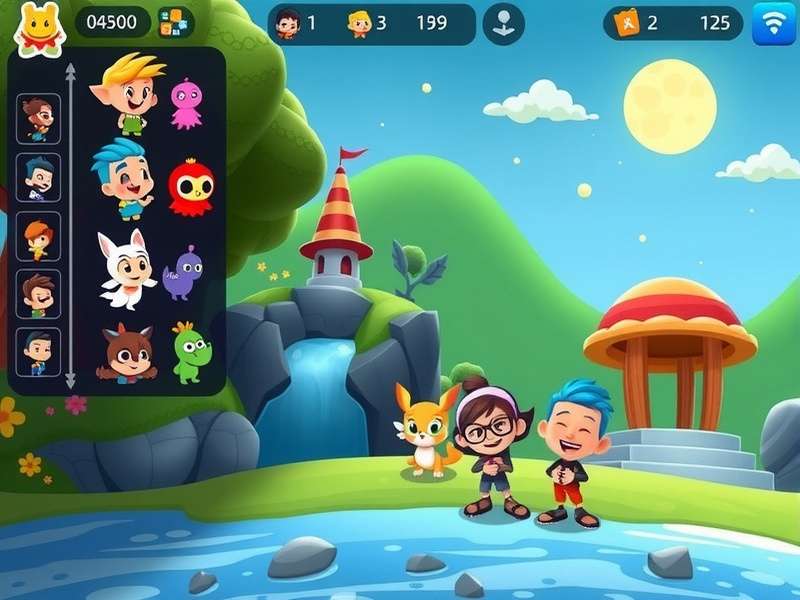
The development team actively monitors character usage data and community feedback to maintain game balance. Regular patches adjust character abilities to ensure no single strategy dominates the metagame for extended periods, preserving competitive integrity while keeping the experience fresh.
Advanced Strategies
Mastering Pojo and Friends requires understanding both immediate puzzle-solving and long-term resource management. Successful players develop the ability to recognize patterns quickly while planning several moves ahead. This combination of reactive and proactive thinking defines high-level play.
Pro Tip
Top-ranked players recommend focusing on building a balanced team early rather than maxing out a single character, as later levels require diverse skill sets.
Resource allocation represents another critical strategic dimension. Players must decide how to spend limited in-game currency on character upgrades, power-ups, and cosmetic items. The most efficient approaches vary depending on play style and goals, whether focusing on competitive rankings or completionist collection.
Community Strategies
The Pojo and Friends community has developed numerous advanced strategies through collective experimentation. Popular content creators regularly share innovative approaches to challenging levels, often reaching millions of views. This knowledge sharing has accelerated the overall skill development of the player base.
Tournament play has evolved its own meta-strategies, with professional players specializing in particular character combinations or play styles. The competitive scene continues to grow, with regional tournaments attracting thousands of participants and substantial prize pools sponsored by Indian tech companies.
Cultural Impact and Reception
Pojo and Friends has transcended its status as mere entertainment to become a cultural touchstone in India's digital landscape. Its success has demonstrated the viability of locally-developed mobile games, inspiring a new generation of Indian game developers to create content reflecting their cultural heritage.
Market Impact
The game's commercial success has attracted significant venture capital investment into the Indian gaming sector. Industry analysts credit Pojo and Friends with validating the free-to-play model in the Indian market, paving the way for numerous subsequent successful titles from domestic studios.
Beyond economic impact, the game has influenced popular culture through merchandise, social media trends, and even academic study. Universities have begun offering courses analyzing the game's design principles and cultural significance, recognizing it as an important artifact of contemporary Indian digital culture.
Social Impact
Pojo and Friends has been particularly notable for its appeal across age groups and genders, challenging stereotypes about gaming demographics in India. Family gaming sessions have become increasingly common, with the game serving as intergenerational bonding activity in many households.
The developers have leveraged this broad appeal for social initiatives, organizing charity tournaments and educational campaigns. These efforts have further strengthened the game's positive reputation and demonstrated the potential for games to contribute to social good beyond entertainment value.
As Pojo and Friends continues to evolve, its legacy as a pioneering title in the Indian gaming industry seems secure. The game has not only achieved commercial success but has also expanded perceptions of what Indian-developed entertainment can accomplish on the global stage.