Ludo King of Maidan: Complete Overview
The Ludo King of Maidan represents the evolution of traditional Ludo into a digital and community phenomenon that has captured the hearts of millions across India and beyond. This game transcends mere entertainment, becoming a cultural touchstone that bridges generations.
Originally derived from the ancient Indian game of Pachisi, Ludo King of Maidan has transformed into a strategic battle of wits, luck, and timing. The "Maidan" reference signifies its connection to open spaces and community gatherings where families and friends bond over this timeless game.
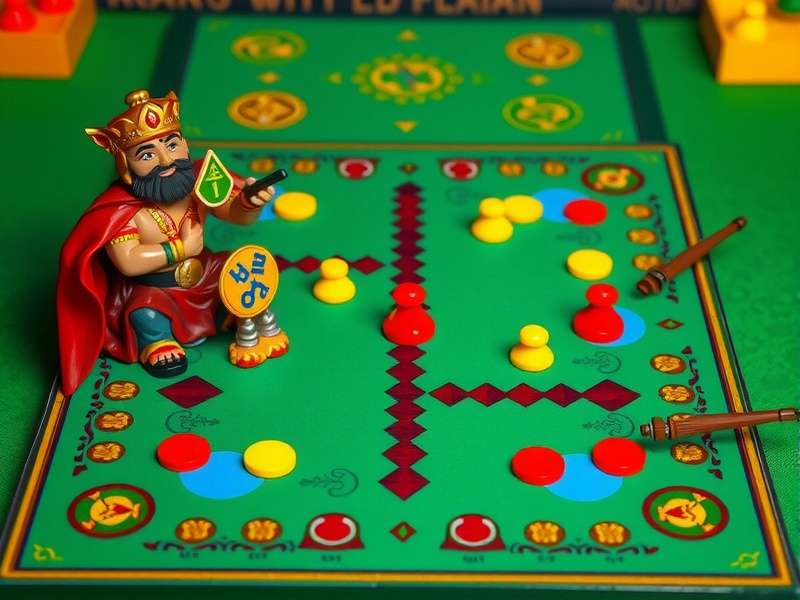
What sets Ludo King of Maidan apart is its perfect blend of simplicity and depth. The rules are easy to grasp, making it accessible to players of all ages, while the strategic possibilities provide endless engagement for serious gamers.
The digital adaptation of Ludo King of Maidan has revolutionized how people experience this classic game. With online multiplayer capabilities, players can now challenge friends and strangers from across the globe, preserving the social essence while expanding its reach exponentially.
Historical Evolution & Origins
The journey of Ludo King of Maidan begins centuries ago with the Mughal era game of Pachisi. Historical records indicate that emperors and nobles would play elaborate versions of this game on giant cloth boards, with courtesans acting as living tokens.
British colonization brought significant changes to the game. The British adapted Pachisi into the simpler Ludo format we recognize today, patenting the modern version in England during the late 19th century. This Westernized version eventually made its way back to India, where it underwent further cultural adaptation.
Ancient Origins
Rooted in 6th century India, derived from the classic game of Pachisi played by Mughal emperors
British Adaptation
Colonial era transformation into the standardized Ludo format with simplified rules
Digital Revolution
21st century mobile adaptation creating the Ludo King of Maidan phenomenon
Global Reach
International popularity with regional variations and worldwide tournaments
The post-independence era saw Ludo becoming a staple in Indian households. The game transitioned from elite circles to common households, with affordable plastic and wooden versions making it accessible to all socioeconomic groups. This democratization laid the foundation for the eventual digital explosion.
The term "Maidan" entered the lexicon as the game moved from indoor settings to parks, courtyards, and community spaces. The Ludo King of Maidan concept emerged as skilled players gained local fame for their strategic prowess in these public gaming sessions.
With the smartphone revolution of the 2010s, Ludo experienced an unprecedented resurgence. Mobile developers recognized the game's potential, creating digital versions that maintained the social dynamics while adding competitive elements like rankings, tournaments, and global leaderboards.
Complete Game Rules & Mechanics
Understanding the rules of Ludo King of Maidan is essential for both beginners and seasoned players. While the core mechanics remain consistent with traditional Ludo, certain variations and strategic nuances define the "Maidan" style of play.
Basic Setup & Components
The game requires 2-4 players, each controlling four tokens of a specific color (typically red, yellow, green, and blue). The board features a cross-shaped path with a home column for each color and a central finishing point.
Pro Tip: Token Placement
In Ludo King of Maidan, experienced players often keep one token in the starting area as a strategic reserve while advancing others. This provides flexibility when you need to capture opponent tokens.
Movement Mechanics
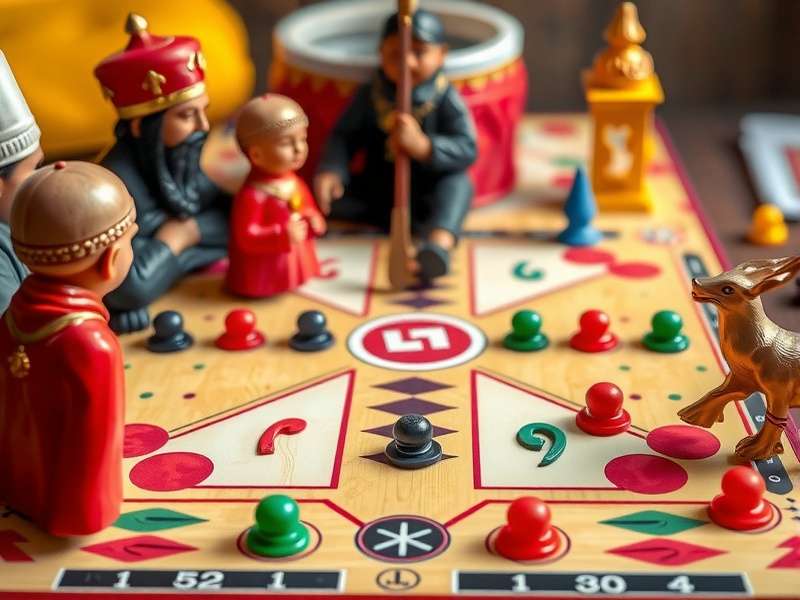
Players take turns rolling a single die. A roll of 6 grants special privileges: it allows a token to enter play from the starting area and grants an additional turn. Tokens move clockwise around the board according to the die value.
The strategic complexity of Ludo King of Maidan emerges from token interactions. When a token lands on a space occupied by an opponent's token, the opponent's token returns to their starting area, creating dramatic momentum shifts.
Winning Conditions
The ultimate objective is to move all four tokens from the starting area, around the board, and into the home column, eventually reaching the center finishing point. The first player to successfully navigate all tokens to the center wins the game.
In tournament versions of Ludo King of Maidan, additional scoring systems may apply, with points awarded for finishing position, tokens captured, and speed of victory. These variations add competitive depth for serious players.
Advanced Strategies & Winning Techniques
Mastering Ludo King of Maidan requires more than luck—it demands strategic planning, risk assessment, and psychological insight. Professional players develop sophisticated approaches that maximize their chances while minimizing vulnerabilities.
Opening Game Strategies
The initial phase of Ludo King of Maidan focuses on establishing board presence. Conservative players may advance tokens gradually, maintaining a defensive formation. Aggressive players might prioritize getting multiple tokens into play quickly to increase capturing opportunities.
Advanced Tactic: The Bait & Switch
Place a seemingly vulnerable token to lure opponents into unfavorable positions, then counter with your other tokens. This psychological warfare is a hallmark of Ludo King of Maidan expertise.
Mid-Game Positioning
As the game progresses, token placement becomes increasingly critical. Keeping tokens in safe positions (on colored squares or in close formation) protects them from capture while maintaining offensive potential.
Seasoned Ludo King of Maidan players develop the ability to calculate relative risks. They balance the desire to advance tokens quickly against the danger of leaving them exposed to opponents' sixes.
Endgame Techniques
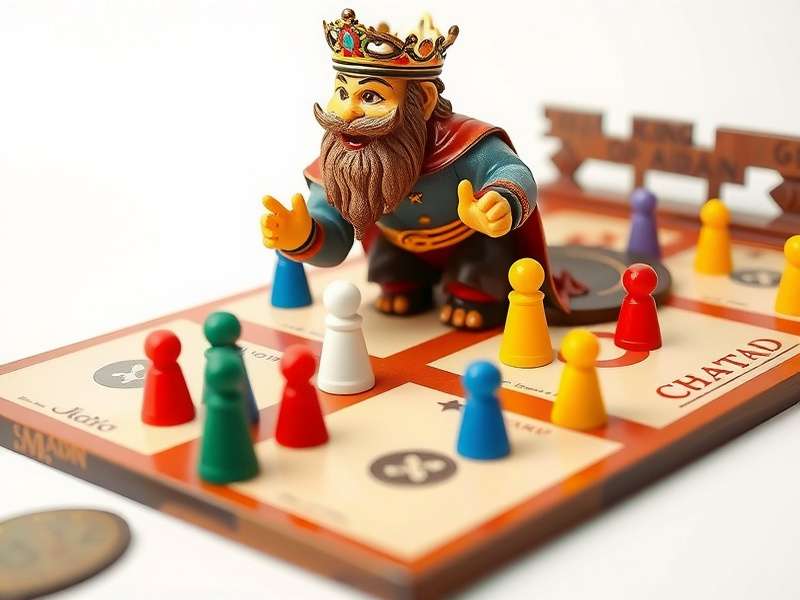
The final phase of Ludo King of Maidan requires precise calculation. Players must coordinate their remaining tokens to maximize the probability of entering the home column with exact die rolls.
Blocking strategies become crucial in the endgame. By positioning tokens to create obstacles near opponents' home columns, skilled players can delay their progress while securing their own victory.
Psychological elements peak during the endgame. Bluffing about your die rolls, creating false urgency, and reading opponents' patterns separate champions from casual players in competitive Ludo King of Maidan matches.
Cultural Significance & Social Impact
The phenomenon of Ludo King of Maidan extends far beyond entertainment, embedding itself deeply into the social fabric of Indian society. The game serves as a cultural bridge, connecting generations and socioeconomic groups through shared experience.
In traditional Indian households, Ludo has long been a staple of family gatherings and festivals. The digital evolution into Ludo King of Maidan has preserved these social functions while expanding them into virtual spaces, especially important during times when physical gatherings are limited.
Intergenerational Bonding
One of the most remarkable aspects of Ludo King of Maidan is its ability to bridge generational divides. Grandparents who played the physical version can now compete with digitally-native grandchildren, creating unique bonding experiences across age groups.
Social Observation
Family Ludo tournaments have become a modern tradition in many Indian households, with Ludo King of Maidan serving as the digital platform that enables these cherished interactions regardless of physical distance.
Economic Impact & Professional Gaming
The popularity of Ludo King of Maidan has created new economic opportunities. Professional players participate in tournaments with substantial prize pools, while content creators build audiences through streaming platforms.
Mobile gaming cafes specifically catering to Ludo enthusiasts have emerged in urban centers, creating social hubs around the game. These establishments represent the modern evolution of the traditional "maidan" or public gaming spaces.
Psychological & Cognitive Benefits
Beyond entertainment, Ludo King of Maidan offers significant cognitive benefits. The game exercises strategic thinking, probability calculation, risk assessment, and emotional regulation—all valuable skills transferable to real-world situations.
Psychologists have noted the therapeutic potential of the game, particularly for senior citizens. The combination of cognitive stimulation and social interaction provided by Ludo King of Maidan can help maintain mental acuity and combat loneliness.
As Ludo King of Maidan continues to evolve, its cultural significance grows accordingly. The game has transcended its origins to become a global phenomenon while remaining deeply rooted in Indian tradition—a rare achievement in the world of gaming.