Indian Papri Glider: The Complete Encyclopedia ?
Discover the fascinating world of Indian Papri Glider, a traditional Indian flying game that has captivated generations with its simple yet profound beauty and cultural significance.
? Overview & Introduction
Indian Papri Glider represents one of India's most cherished traditional aerial games, combining simple materials with profound aerodynamic principles. This indigenous flying apparatus has been part of Indian cultural heritage for centuries, particularly in rural and semi-urban regions where it continues to symbolize freedom, skill, and community bonding.
The Indian Papri Glider distinguishes itself from conventional kites through its unique construction methodology and flight characteristics. Unlike standard diamond-shaped kites, the Papri Glider features a distinctive curved design that enables remarkable stability and maneuverability even in challenging wind conditions.
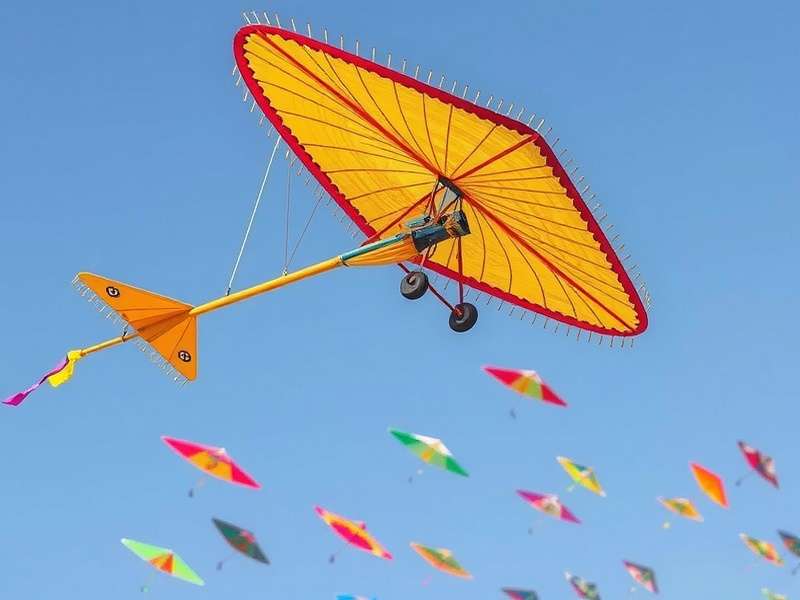
Traditional Indian Papri Glider showcasing its unique curved design ✨
Key Characteristics
The Indian Papri Glider is renowned for its exceptional wind adaptability, capable of maintaining stable flight in conditions ranging from gentle breezes to strong gusts. This versatility makes it particularly suitable for India's diverse climatic regions.
What truly sets the Indian Papri Glider apart is its cultural embeddedness. The game transcends mere recreation, serving as a medium for social interaction, skill development, and intergenerational knowledge transfer. During festivals and community gatherings, Papri Glider competitions become focal points of celebration and camaraderie.
? Historical Evolution & Origins
The origins of Indian Papri Glider can be traced back to ancient Indian civilizations, with historical references found in various regional texts and oral traditions. The game's development reflects India's rich history of innovation in recreational activities and aerial technologies.
Ancient Roots & Regional Variations
Historical evidence suggests that early versions of the Papri Glider were used in agricultural communities for weather prediction and ceremonial purposes. The glider's design evolved differently across various Indian states, resulting in distinctive regional variations that incorporated local materials and aesthetic sensibilities.
The colonial period marked a significant transformation for the Indian Papri Glider, as exposure to European kite-making techniques led to refinements in construction methods. However, the essential Indian character of the glider was preserved through continued emphasis on traditional materials and flying techniques.
?️ Ancient Era
Primitive versions made from leaves and natural fibers, used in ritual ceremonies and seasonal festivals across ancient Indian kingdoms.
? Medieval Period
Refinement of designs using paper and bamboo, with documented evidence in Mughal-era manuscripts and regional folk art.
? Modern Times
Incorporation of synthetic materials while preserving traditional designs, with organized competitions and digital documentation.
Post-independence India witnessed a renaissance in traditional games, with the Indian Papri Glider experiencing renewed popularity as a symbol of cultural pride and indigenous innovation. Government initiatives and cultural organizations began documenting and promoting this aerial tradition.
? Gameplay Mechanics & Techniques
The art of flying an Indian Papri Glider involves sophisticated techniques that balance physics intuition with physical skill. Mastery requires understanding wind patterns, string tension, and glider response characteristics.
Basic Flying Principles
Successful Indian Papri Glider operation begins with proper launch technique. The glider must be introduced to the wind at precisely the right angle, with the operator gradually releasing string while maintaining optimal tension. This delicate balance determines initial altitude acquisition and stability.
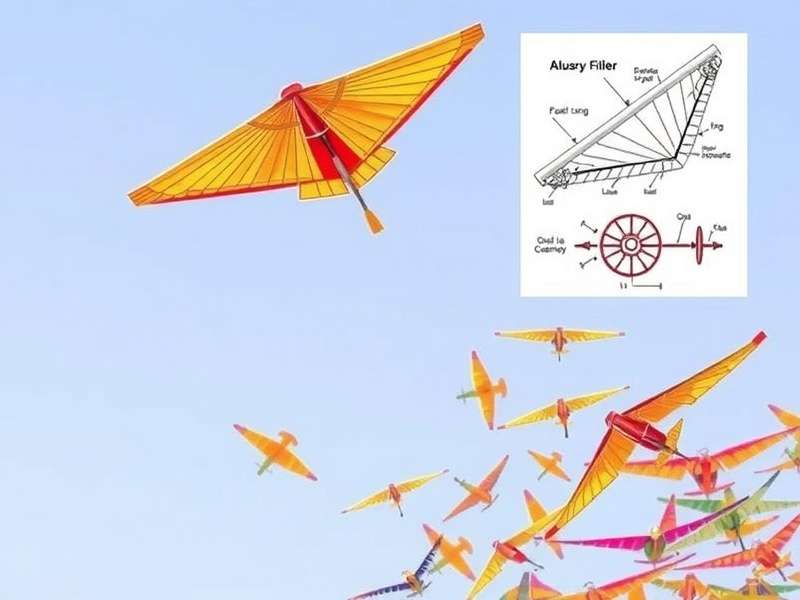
Construction techniques of traditional Indian Papri Glider ?
Advanced Maneuvers & Competition Elements
Expert practitioners of the Indian Papri Glider develop an extensive repertoire of aerial maneuvers. These include the "Chakri" (spiral dive), "Teer" (arrow shot), and "Moor" (peacock dance), each requiring precise string control and wind reading abilities.
? Competitive Aspects
Traditional Indian Papri Glider competitions focus on multiple criteria including flight duration, altitude achievement, maneuver execution, and artistic presentation. Judges evaluate technical proficiency alongside aesthetic elements, recognizing that the glider represents both sport and art form.
Modern competitions have introduced standardized categories while preserving traditional evaluation methods. The Indian Papri Glider community continues to innovate while respecting historical practices, ensuring the game's relevance for contemporary enthusiasts.
? Cultural Significance & Social Impact
The Indian Papri Glider occupies a unique position in India's cultural landscape, transcending its function as mere entertainment to become a vehicle for community bonding, skill transmission, and cultural expression.
Festival Integration
The Indian Papri Glider features prominently in numerous Indian festivals, particularly Makar Sankranti, when the skies fill with colorful gliders symbolizing the sun's northward journey and the arrival of spring.
Community Building
Papri Glider flying creates intergenerational connections, with experienced practitioners mentoring newcomers and preserving traditional knowledge through practical demonstration and oral instruction.
Regional variations of the Indian Papri Glider reflect local cultural identities, with distinct designs emerging from different states. These variations incorporate regional symbols, color schemes, and construction techniques that celebrate local heritage while contributing to national diversity.
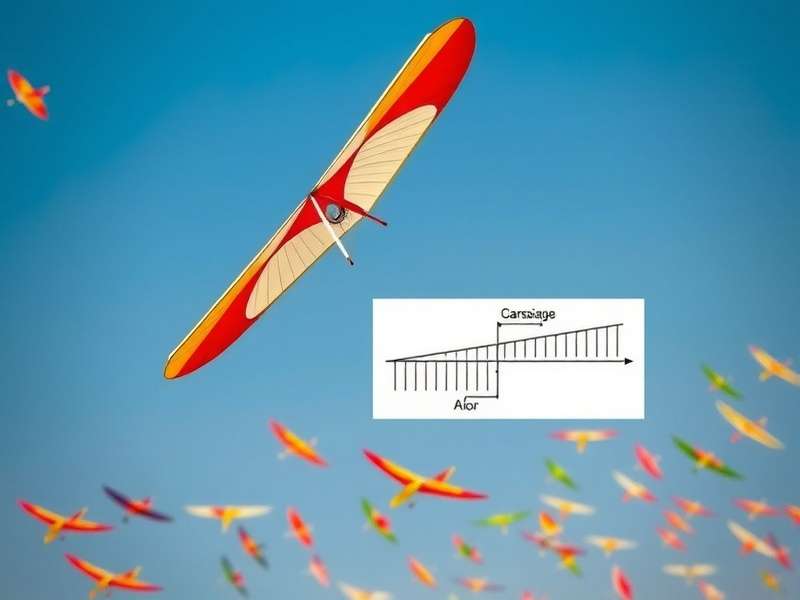
Festival scene with multiple Indian Papri Gliders creating a vibrant aerial display ?
The cultural preservation of the Indian Papri Glider tradition faces both challenges and opportunities in the digital age. While urbanization and changing recreational preferences threaten traditional practices, renewed interest in indigenous games and cultural tourism offers potential for revitalization.
? Modern Adaptations & Future Prospects
Contemporary iterations of the Indian Papri Glider demonstrate remarkable adaptability, incorporating modern materials and technologies while preserving essential traditional elements. This balance between innovation and preservation ensures the game's continued relevance.
Technological Innovations
Modern Indian Papri Glider enthusiasts have experimented with carbon fiber frames, synthetic papers, and digital design tools to enhance performance and durability. These innovations have expanded the glider's capabilities without compromising its traditional flight characteristics.
? Digital Documentation
Online platforms and mobile applications now archive Indian Papri Glider designs, construction techniques, and flying tutorials, making this traditional knowledge accessible to global audiences.
? International Recognition
The unique aerodynamic properties of the Indian Papri Glider have attracted attention from international aeronautical enthusiasts and cultural researchers, leading to cross-cultural exchanges and collaborative innovations.
? Educational Applications
STEM education programs increasingly incorporate Indian Papri Glider construction and flight principles to teach physics, engineering, and design thinking through culturally relevant practical activities.
The future of the Indian Papri Glider appears promising, with growing recognition of its value as both cultural heritage and educational tool. Continued innovation, coupled with dedicated preservation efforts, suggests that this traditional Indian game will continue to soar through future generations.
Sustainability & Environmental Considerations
Contemporary Indian Papri Glider practitioners increasingly emphasize eco-friendly materials and manufacturing processes. Traditional natural materials are being rediscovered and combined with modern biodegradable alternatives, creating a sustainable future for this aerial tradition.
? The Continuing Legacy of Indian Papri Glider
The enduring appeal of Indian Papri Glider demonstrates the timeless human fascination with flight and the power of traditional games to adapt while preserving cultural essence. As both art form and sport, it continues to inspire new generations of enthusiasts across India and beyond.