Handball Supreme Glory: India's Traditional Sporting Heritage
The Complete Encyclopedia of India's Most Celebrated Handball Tradition
Table of Contents
Overview and Introduction
Handball Supreme Glory represents one of India's most cherished traditional sports, blending physical prowess with strategic depth in a uniquely Indian format. This dynamic game has captivated millions across the subcontinent for generations, evolving from rural pastime to organized competitive sport.
Unlike conventional handball variants played internationally, Handball Supreme Glory incorporates distinctive elements drawn from India's rich sporting heritage. The game emphasizes agility, precision, and teamwork while maintaining deep cultural connections to regional traditions and values.
? Key Characteristics: Handball Supreme Glory combines elements of kabaddi, kho-kho, and traditional handball, creating a fast-paced, strategic team sport that requires both physical endurance and mental acuity.
The sport's unique appeal lies in its accessibility - requiring minimal equipment while delivering maximum excitement. From village grounds to urban stadiums, Handball Supreme Glory has maintained its popularity across diverse demographics and regions throughout India.
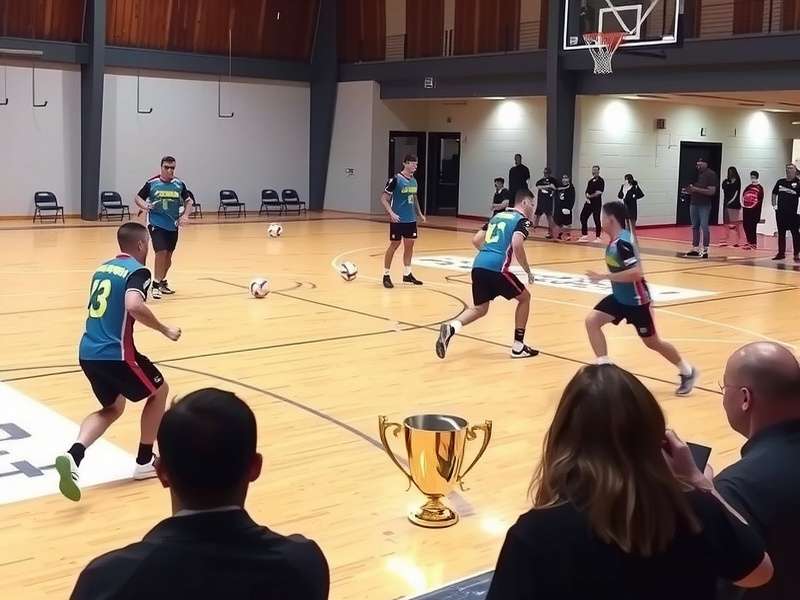
Historical Origins and Evolution
The roots of Handball Supreme Glory trace back to ancient Indian recreational activities documented in historical texts and folk traditions. Early forms of hand-based ball games were prevalent across various Indian kingdoms, with regional variations developing distinctive rules and playing styles.
During the medieval period, these disparate games began coalescing into more standardized forms, particularly in northern and western regions of India. The Mughal era saw further refinement of handball techniques, with court records mentioning specialized training for handball athletes.
The colonial period marked a significant turning point for Handball Supreme Glory. British administrators documented local sports, and while some traditional games declined, handball variants persisted and even flourished in certain regions, adapting to changing social conditions.
Post-independence India witnessed a renaissance of traditional sports, with Handball Supreme Glory emerging as a standardized competitive discipline. The 1970s saw the establishment of formal governing bodies and the codification of universal rules that balanced regional variations with competitive fairness.
By the 1990s, Handball Supreme Glory had secured its position in national sporting events, with dedicated tournaments attracting both rural and urban participants. The new millennium brought professionalization, media coverage, and international exposure, though the sport remains predominantly popular within India.
Official Rules and Gameplay
The official rulebook of Handball Supreme Glory establishes a comprehensive framework ensuring fair competition while preserving the sport's traditional essence. Understanding these rules is essential for both players and enthusiasts of this dynamic game.
Basic Game Structure
Handball Supreme Glory matches consist of two halves of 25 minutes each, with a 10-minute halftime interval. Each team fields seven players on court simultaneously, including one specialized defender and one primary attacker with distinct roles and responsibilities.
The playing court measures 40 meters in length and 20 meters in width, divided into three strategic zones. These zones dictate player movement and scoring opportunities, creating the tactical depth that characterizes high-level Handball Supreme Glory competition.
Scoring System
Points in Handball Supreme Glory are awarded based on shot difficulty and execution technique. Standard shots from within the middle zone earn one point, while shots from the outer zone with specific technical requirements earn two points.
The rare "Supreme Shot" - executed under specific challenging conditions - awards three points and often proves decisive in closely contested matches. This scoring variety encourages strategic diversity and dramatic comebacks, maintaining spectator engagement throughout matches.

Player Positions and Responsibilities
Handball Supreme Glory features specialized positions that have evolved to maximize team efficiency. The Guardian protects the scoring zone, while Raiders initiate offensive maneuvers. Midfielders facilitate transitions, and Finishers specialize in scoring opportunities.
Each position requires distinct physical attributes and technical skills, with professional players often spending years mastering their specialized roles. Team composition strategy becomes a crucial element in Handball Supreme Glory tournament success.
Playing Techniques and Strategies
Mastering Handball Supreme Glory requires developing a diverse technical repertoire alongside strategic understanding. Professional players typically spend thousands of hours refining these techniques to compete at elite levels.
Fundamental Technical Skills
The basic throwing technique in Handball Supreme Glory involves a three-step approach with precise weight transfer and follow-through. Players must develop both power and accuracy, adapting their technique based on game situations and defensive pressure.
Advanced players incorporate deceptive elements into their throws, including feints, changes of pace, and unusual release points. These variations make defending against experienced Handball Supreme Glory attackers exceptionally challenging.
Defensive Strategies
Effective defense in Handball Supreme Glory relies on coordinated team movement rather than individual brilliance. The zone defense system requires precise positional awareness and communication to limit scoring opportunities.
Specialized defensive techniques include the intercepting lunge, the blocking stance, and the deflection swipe. Each requires precise timing and anticipation, developed through repetitive drilling and game experience.
? Champion's Insight: The most successful Handball Supreme Glory teams balance offensive creativity with defensive discipline, adapting their approach based on opponents' strengths and match circumstances.
Advanced Tactical Concepts
Elite Handball Supreme Glory competition involves sophisticated tactical planning, with coaches developing game-specific strategies targeting opponent weaknesses. Common approaches include the pressing defense, counter-attack emphasis, and set-play specialization.
Teams often develop signature moves or combinations that become their tactical identity. These specialized plays in Handball Supreme Glory often decide crucial moments in high-stakes tournament matches.
Major Tournaments and Championships
The competitive landscape of Handball Supreme Glory features a structured tournament system ranging from local competitions to prestigious national championships. These events showcase the sport's finest talent while driving its popularity across India.
National Championship Series
The Premier Handball Supreme Glory League represents the sport's highest level of domestic competition, featuring franchise-based teams from major Indian cities. This professional league has significantly raised the sport's profile since its inception in 2008.
Alongside the professional league, the National Handball Supreme Glory Championship remains the most prestigious title for state-based teams. This knockout tournament has a rich history dating back to 1985 and attracts massive television audiences.
International Competitions
While Handball Supreme Glory remains predominantly an Indian sport, exhibition matches and friendly tournaments have been organized in countries with significant Indian diaspora communities. These international events help promote cultural exchange while showcasing India's sporting heritage.
Plans for formal international Handball Supreme Glory competitions are under discussion, with potential participation from neighboring South Asian countries where similar handball traditions exist.
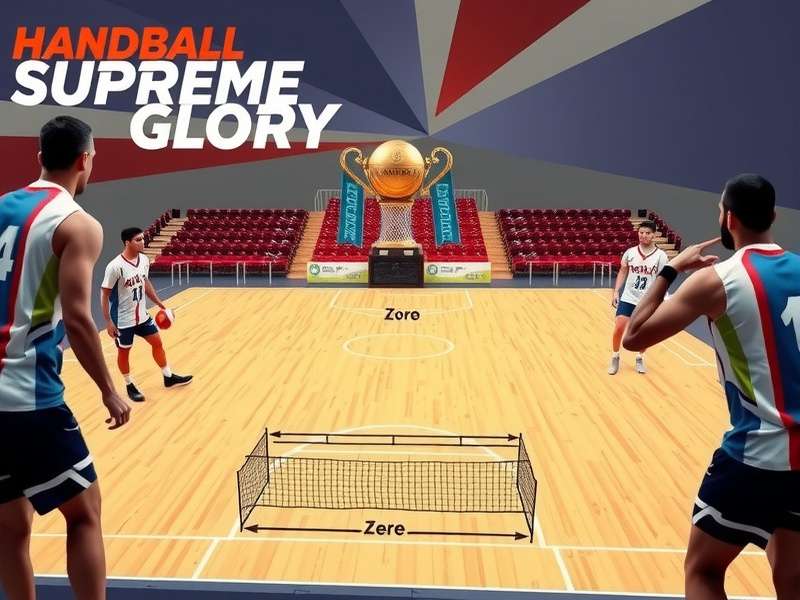
Cultural Significance and Impact
Handball Supreme Glory occupies a unique position in India's cultural landscape, transcending its status as mere sport to become a vehicle for community identity, traditional values, and regional pride.
In rural areas, Handball Supreme Glory tournaments often coincide with festivals and community celebrations, strengthening social bonds while providing entertainment. The sport has historically served as a constructive outlet for youthful energy while teaching discipline and teamwork.
The language of Handball Supreme Glory has enriched local dialects, with technical terms and player nicknames entering common usage in regions where the sport is particularly popular. This linguistic influence demonstrates the game's deep cultural penetration.
? Social Impact: Handball Supreme Glory has played a significant role in promoting gender equality in sports, with women's tournaments gaining substantial recognition and participation across India in recent decades.
Traditional art forms frequently depict Handball Supreme Glory scenes, from folk paintings to ceremonial dances. This artistic representation reinforces the sport's cultural importance while preserving its history for future generations.
In contemporary India, Handball Supreme Glory continues to evolve while maintaining its cultural roots. Urban leagues attract corporate sponsorship while village tournaments preserve traditional formats, creating a dynamic sporting ecosystem.
Legendary Players and Teams
The history of Handball Supreme Glory is enriched by legendary athletes whose exceptional skills and achievements have elevated the sport's status. These players have become household names across India, inspiring new generations to pursue excellence in this traditional game.
Training and Development
Elite performance in Handball Supreme Glory requires specialized training regimens that develop the unique physical and technical attributes demanded by the sport. Modern training methods have enhanced player capabilities while respecting traditional approaches.
Future Prospects and Global Expansion
As Handball Supreme Glory continues to evolve, strategic initiatives aim to broaden its appeal while preserving its cultural essence. Digital media, youth development programs, and international exhibition matches represent key components of the sport's growth strategy.