Cardamom Success Sail: The Complete Encyclopedia
Discover the rich history, intricate rules, and strategic depth of India's beloved traditional card game
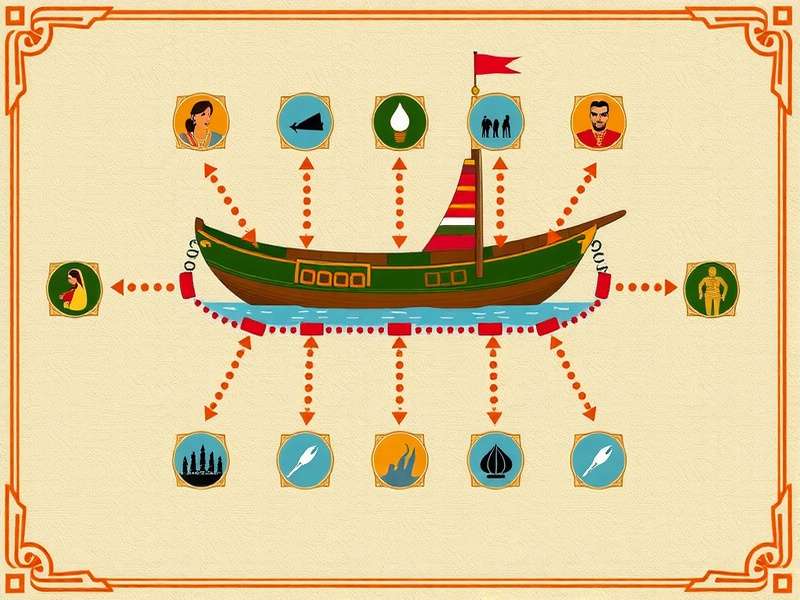
Traditional setup of Cardamom Success Sail showing cards and scoring tokens
Overview of Cardamom Success Sail
Cardamom Success Sail is a traditional Indian card game that combines elements of strategy, luck, and social interaction. This captivating game has been played across the Indian subcontinent for centuries, with its origins tracing back to the royal courts of ancient India.
Unlike many Western card games, Cardamom Success Sail emphasizes long-term strategic planning over immediate tactical gains. Players must balance resource management, prediction of opponents' moves, and adaptation to changing game conditions.
The game is typically played with a specialized deck of 60 cards, though regional variations exist with different deck sizes. A standard game accommodates 2-6 players, with the ideal number being 4 players for optimal strategic depth.
What sets Cardamom Success Sail apart from other card games is its unique "sailing" mechanic, where players navigate their cards through different "ports" representing various scoring opportunities. This creates a dynamic gameplay experience that changes with each round.
Historical Development
The origins of Cardamom Success Sail can be traced to the 16th century, during the Mughal era in India. Historical records suggest the game was first developed in the courts of North India, possibly in the region that is now Uttar Pradesh or Rajasthan.
- 1526-1556 - Earliest references to a game resembling Cardamom Success Sail appear in Mughal court documents
- 17th Century - Game spreads throughout the Indian subcontinent via trade routes
- 1857 - British colonial records document the game being played in aristocratic circles
- 1947 - Post-independence revival as a symbol of Indian cultural heritage
- 21st Century - Digital adaptations and international tournaments emerge
During the British colonial period, Cardamom Success Sail experienced a decline in aristocratic circles but remained popular among the general population. The game was often played in village gatherings, festivals, and family events, serving as both entertainment and a means of social bonding.
The post-independence era saw a resurgence of interest in traditional Indian games, including Cardamom Success Sail. Cultural organizations began documenting the rules and variations, leading to a standardized version that gained popularity in national tournaments.
In recent decades, Cardamom Success Sail has gained international recognition, with tournaments held in various countries and digital versions available on gaming platforms. This global exposure has introduced the strategic depth of Indian card games to new audiences worldwide.
Game Rules and Mechanics
The fundamental objective of Cardamom Success Sail is to accumulate the highest score by successfully "sailing" your cards to various destination ports while strategically blocking opponents' movements.
Basic Setup
A standard game of Cardamom Success Sail requires the following components:
- Specialized deck of 60 cards 1
- Scoring tokens (usually 50-100) 1 set
- Port markers (6 different colors) 6
- Player mats (optional) 2-6
- Wind direction indicator 1
Card Types and Values
The deck in Cardamom Success Sail consists of several card types, each with specific functions:
| Card Type | Quantity | Function | Special Abilities |
|---|---|---|---|
| Sail Cards | 20 | Movement towards ports | Can change wind direction |
| Cardamom Cards | 15 | Primary scoring cards | Double points in certain ports |
| Monsoon Cards | 10 | Weather effects | Can redirect opponents' sails |
| Trader Cards | 8 | Resource management | Allow card exchanges |
| Captain Cards | 7 | Special actions | Various unique abilities |
Turn Structure
Each turn in Cardamom Success Sail follows a specific sequence:
- Wind Phase - Check and potentially change wind direction
- Draw Phase - Draw one card from the deck or discard pile
- Sail Phase - Play sail cards to move toward ports
- Action Phase - Play action cards or use special abilities
- Trade Phase - Exchange cards with other players (optional)
- Dock Phase - Score points for cards that reached ports
The game continues until either all ports have been visited or the card deck is exhausted. Players then tally their scores from successfully delivered cardamom cards and bonus points from special achievements.
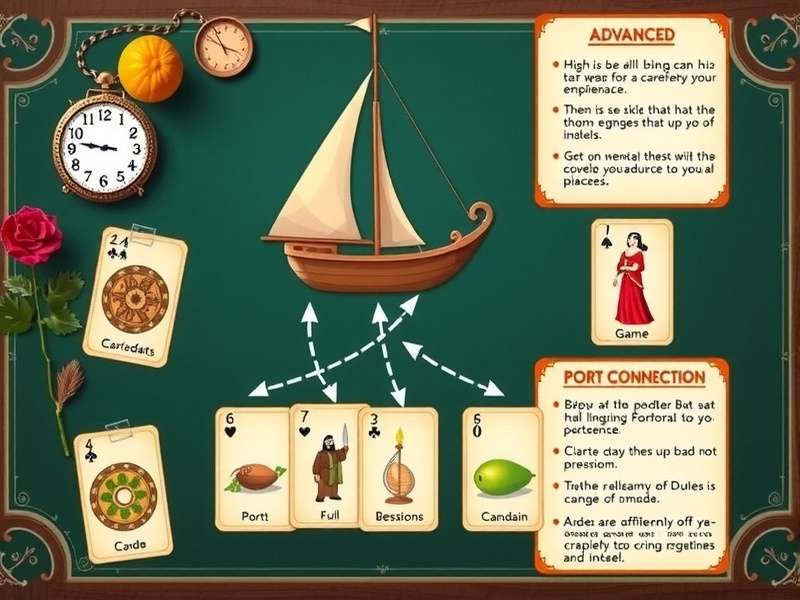
Strategic card arrangement showing the sailing formation in a competitive game
Advanced Strategies and Tactics
Mastering Cardamom Success Sail requires understanding both fundamental principles and advanced strategic concepts. Successful players typically employ a combination of the following approaches:
Resource Management
Effective card management is crucial in Cardamom Success Sail. Since players begin with a limited hand size (typically 7 cards), deciding which cards to play, save, or discard requires careful consideration.
Seasoned players often employ the "three-phase" approach to resource management:
- Early Game - Focus on establishing presence in multiple ports
- Mid Game - Consolidate position while disrupting opponents
- Late Game - Maximize scoring opportunities with saved cardamom cards
Predictive Play
Since Cardamom Success Sail involves limited information about opponents' hands, skilled players develop the ability to predict likely moves based on game state and previous actions.
Key indicators for predictive play include:
Visible Indicators
- Opponents' discarded cards
- Current wind direction
- Port occupation status
- Remaining cards in deck
Behavioral Patterns
- Opponent's playing style
- Response to previous moves
- Risk tolerance indicators
- Card conservation habits
Port Priority Strategy
Different ports in Cardamom Success Sail offer varying point values and special abilities. Understanding port priorities is essential for maximizing scoring potential.
The general hierarchy of port value follows this pattern:
| Port Type | Base Value | Special Ability | Strategic Importance |
|---|---|---|---|
| Spice Harbor | High | Double cardamom points | Critical for high-scoring plays |
| Monsoon Bay | Medium | Extra card draw | Resource replenishment |
| Trade Winds Port | Medium | Card exchange | Tactical flexibility |
| Calm Waters | Low | Protection from effects | Defensive positioning |
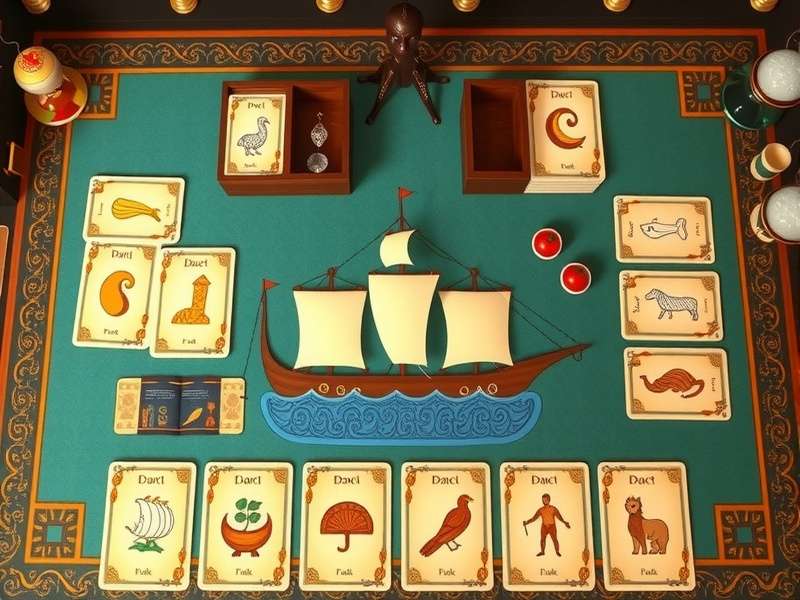
Diagram showing optimal port connections for maximizing scoring opportunities
Cultural Significance and Impact
Cardamom Success Sail holds a special place in Indian cultural heritage, representing more than just a pastime. The game embodies strategic thinking, social interaction, and historical continuity.
Social Context
Traditionally, Cardamom Success Sail was played during festivals, family gatherings, and community events. The game served as a social equalizer, bringing together people from different backgrounds and age groups.
Conflict Resolution
Historical records indicate the game was sometimes used to settle minor disputes in villages
Educational Tool
Taught strategic thinking, probability, and resource management to younger generations
Social Bonding
Strengthened community ties through regular gameplay sessions
Regional Variations
As Cardamom Success Sail spread across the Indian subcontinent, regional variations emerged, each with unique rules and gameplay elements:
- Northern Variation - Emphasizes aggressive play and direct confrontation
- Southern Variation - Focuses on long-term strategy and resource accumulation
- Eastern Variation - Incorporates additional card types and special abilities
- Western Variation - Features simplified rules for faster gameplay
- Coastal Variation - Includes maritime-themed expansions and mechanics
Modern Revival and Digital Adaptation
In recent years, Cardamom Success Sail has experienced a resurgence in popularity, both in physical and digital formats. Cultural organizations have worked to preserve the traditional rules while making the game accessible to new audiences.
The digital adaptation of Cardamom Success Sail has introduced the game to international players, with online tournaments attracting participants from around the world. These digital versions often include tutorials, AI opponents, and ranked matchmaking systems.
As interest in traditional games continues to grow globally, Cardamom Success Sail stands as a testament to the rich gaming heritage of India and the universal appeal of well-designed strategic games.
Explore the World of Cardamom Success Sail
This encyclopedia provides a comprehensive overview, but the true depth of Cardamom Success Sail can only be appreciated through actual gameplay. Whether you're a casual player or aspiring tournament competitor, the strategic richness of this traditional Indian card game offers endless fascination.