Overview of Bull Rampage ?
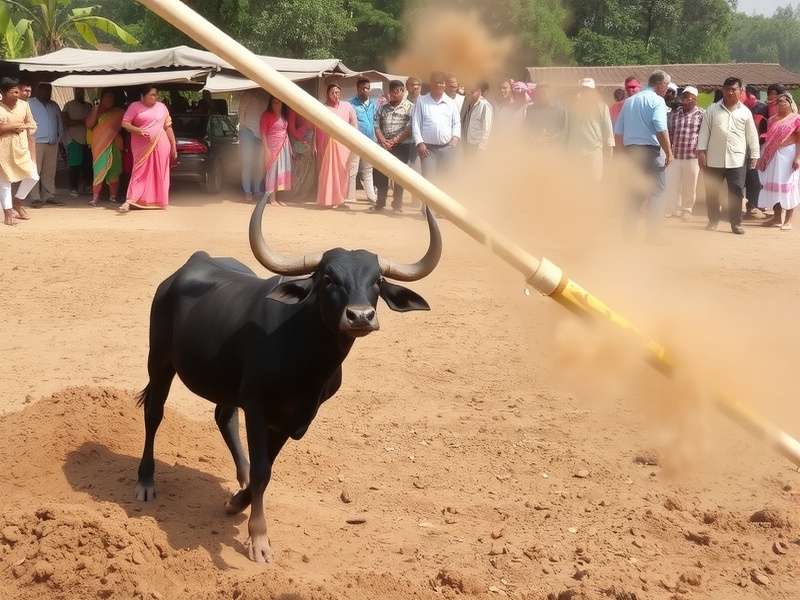
Bull Rampage, known regionally as Jallikattu, Eruthazhuvuthal, or Manju Virattu, is a traditional bull-taming sport practiced in Tamil Nadu, India. This ancient spectacle involves participants attempting to tame a ferocious bull released into an open arena.
Key Fact: The term "Bull Rampage" captures the essence of this dynamic sport where bulls charge with tremendous energy and participants demonstrate courage and skill.
The sport typically occurs during the Pongal festival in January, celebrating the harvest season and honoring cattle for their role in agriculture. Unlike Western bullfighting, the objective in Bull Rampage is not to harm the bull but to demonstrate human courage and skill in taming the animal.
Quick Facts
- Origin: Tamil Nadu, India
- Season: Pongal Festival (January)
- Objective: Tame the bull without weapons
- Duration: Typically 2-3 days
- Participants: Young men from rural communities
Historical Origins ?
The roots of Bull Rampage extend deep into Tamil history, with references found in ancient Sangam literature dating back to 400-100 BCE. The classical Tamil text "Silappathikaram" contains detailed descriptions of bull-taming events, establishing the sport's antiquity.
Archaeological evidence from Keeladi excavation site reveals bull-related artifacts, suggesting the practice might be over 2,500 years old. Bull Rampage was not merely entertainment but a method to select the strongest warriors for ancient Tamil armies.
Historical Significance: In ancient times, victorious participants in Bull Rampage were often chosen as bodyguards for chieftains and kings, highlighting the sport's connection to martial traditions.
Throughout various dynasties including the Chola, Chera, and Pandya kingdoms, Bull Rampage maintained its cultural importance. Temple sculptures and bronze artifacts from these periods frequently depict bull-taming scenes, confirming the sport's enduring presence in Tamil culture.
Regional Variations ?
While Bull Rampage is most famously associated with Tamil Nadu, similar traditions exist across South India with distinct regional characteristics:
Jallikattu
Most popular form practiced in Madurai, Tiruchirappalli, and Theni districts. Involves attempting to hold onto the bull's hump for a specific duration or distance.
Manju Virattu
Practiced in coastal regions, this version involves chasing the bull to bring it under control. The name translates to "bull chasing" in Tamil.
Vadi Manjuviraṭṭu
A variation where participants use a rope or cloth to tame the bull. Common in certain western districts of Tamil Nadu.
Each regional variation of Bull Rampage reflects local customs, terrain, and community practices while maintaining the core elements of courage, skill, and respect for the animal.
Rules & Gameplay ⚖️
The traditional rules of Bull Rampage have been passed down through generations, with modern adaptations for safety and regulation:
Basic Gameplay Structure
- Bull Selection: Specific breeds like Kangayam, Pulikulam, or Umblachery are preferred for their strength and agility
- Arena Setup: A designated path (vaadi vasal) through which the bull is released
- Participant Requirements: Typically unmarried men between 18-30 years
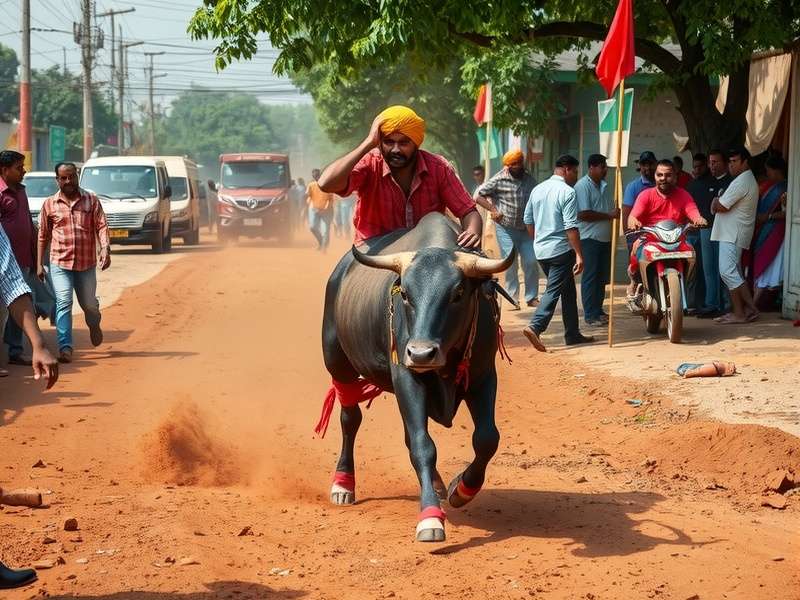
- Objective: Hold onto the bull's hump for approximately 15-30 seconds or a set distance
- Victory Conditions: Successfully taming the bull without harming the animal
Important: Modern regulations prohibit alcohol consumption by participants, mandate medical facilities onsite, and require proper barricades to protect spectators.
Scoring System
Traditional scoring in Bull Rampage considers multiple factors:
Technical Points
- Duration of hold on bull's hump
- Control demonstrated during taming
- Technique and form
- Successful dismount
Bonus Points
- Taming particularly aggressive bulls
- Exceptional courage display
- Respectful treatment of the animal
- Crowd appreciation factor
Preparations & Rituals ?
Bull Rampage involves extensive preparations spanning weeks before the actual event, combining practical arrangements with cultural rituals:
Bull Training
Specialized training begins months in advance. Bulls are exercised regularly, fed nutritious diets, and gradually exposed to crowd noises to prepare them for the event atmosphere. Traditional methods include:
- Physical Conditioning: Daily walks and runs to build stamina
- Mental Preparation: Exposure to simulated event conditions
- Diet Management: Special feed including herbal supplements
- Grooming: Traditional oil massage and decoration
Traditional Rituals
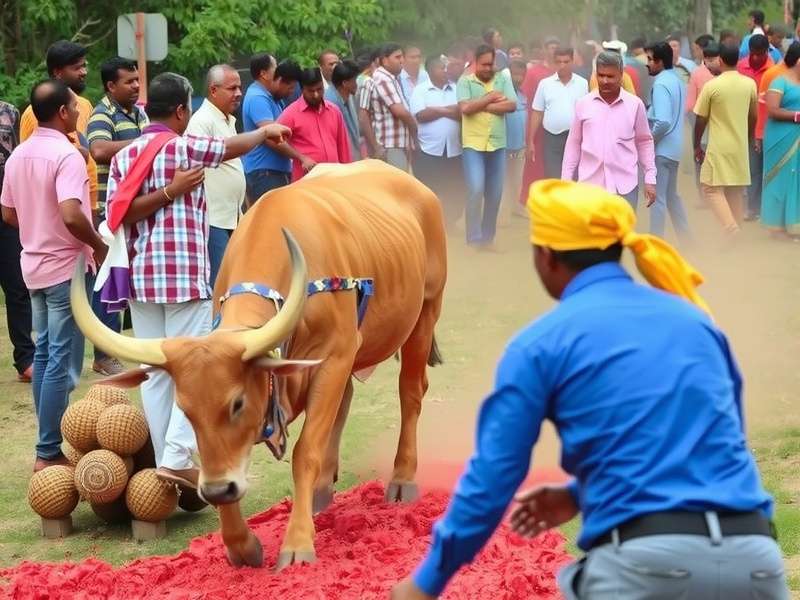
Pre-event rituals include prayers to village deities, special pujas for the bulls, and blessings from elders. The bulls are decorated with turmeric, kumkum, and flower garlands as part of these ceremonies.
Cultural Significance ?
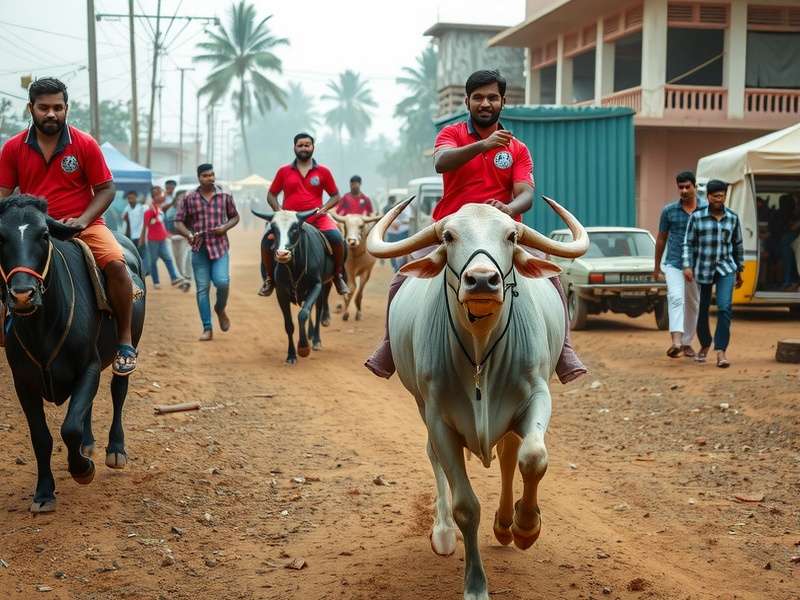
Bull Rampage transcends mere sport, embodying deep cultural, social, and spiritual meanings within Tamil society:
Agricultural Connections
The sport coincides with Pongal, the harvest festival, symbolizing gratitude to cattle for their agricultural contributions. Bull Rampage celebrates the symbiotic relationship between farmers and their livestock.
Cultural Insight: In agrarian communities, owning a champion Bull Rampage participant brings immense prestige and often increases the bull's value for breeding purposes.
Social Dimensions
Bull Rampage serves as a social leveler where participants from various economic backgrounds compete equally. Successful participants gain respect and marriage prospects within their communities.
Spiritual Aspects
The sport connects to ancient Dravidian spiritual practices venerating animal strength and courage. Many participants consider their involvement a form of worship or fulfillment of vows to deities.
Controversies & Legal Battles ⚖️
Bull Rampage has faced significant controversy and legal challenges, particularly regarding animal welfare:
Animal Rights Concerns
Animal welfare organizations have raised concerns about potential cruelty to bulls during events. Issues cited include:
- Possible mistreatment to agitate bulls before events
- Risk of injury to both animals and participants
- Questions about traditional practices versus modern animal welfare standards
Legal History
The Supreme Court of India banned Bull Rampage in 2014, citing animal cruelty concerns under the Prevention of Cruelty to Animals Act. This decision sparked massive protests across Tamil Nadu.
Legal Update: In 2017, the Tamil Nadu government passed the Prevention of Cruelty to Animals (Tamil Nadu Amendment) Act, effectively overturning the ban and allowing Bull Rampage with regulations.
Current Regulatory Framework
Modern Bull Rampage events operate under strict guidelines:
Safety Protocols
- Veterinary inspection of all bulls
- Medical facilities at event venues
- Barricades to protect spectators
- Age and health restrictions for participants
Monitoring
- Official oversight committees
- Video recording of all events
- Penalties for rule violations
- Animal welfare observers
Modern Adaptations & Evolution ?
Bull Rampage has undergone significant transformations to remain relevant in contemporary society while preserving its cultural essence:
Technological Integration
Modern Bull Rampage events incorporate technology for enhanced safety and viewer experience:
- Live Streaming: Events broadcast globally to the Tamil diaspora
- Slow-Motion Replay: For judging and audience appreciation
- Drone Coverage: Aerial views of the entire arena
- Digital Scoring: Electronic timing and scoring systems
Commercial Aspects
The commercialization of Bull Rampage has created economic opportunities:
- Sponsorships: Corporate backing for major events
- Media Rights: Television and digital broadcasting deals
- Tourism: Special packages for domestic and international visitors
- Merchandising: Branded merchandise and memorabilia
Economic Impact: Major Bull Rampage events can generate significant local economic activity through tourism, hospitality, and related services.
Safety Measures & Innovations ?️
Contemporary Bull Rampage prioritizes safety for both participants and animals through systematic measures:
Participant Safety
Modern safety protocols for participants include:
Protective Gear
- Padded clothing for impact protection
- Helmets in some regulated events
- Proper footwear for better grip
- Mouthguards to prevent dental injuries
Medical Support
- Ambulances on standby
- Trauma specialists at venue
- Emergency evacuation plans
- Insurance coverage for participants
Animal Welfare
Comprehensive measures to ensure bull welfare:
- Veterinary Care: Pre and post-event health checks
- Stress Management: Limited participation per bull
- Humane Handling: Strict protocols for bull treatment
- Recovery Periods: Mandatory rest between events
Future Outlook & Preservation Efforts ?
The future of Bull Rampage involves balancing tradition with contemporary values and global perspectives:
Conservation Initiatives
Efforts to preserve indigenous cattle breeds used in Bull Rampage:
Breed Conservation
Programs to maintain genetic purity of traditional breeds like Kangayam and Pulikulam, which are integral to authentic Bull Rampage.
Youth Engagement
Initiatives to educate younger generations about cultural significance while promoting safe participation practices.
Global Recognition
Campaigns for UNESCO intangible cultural heritage status to ensure international recognition and preservation.
Innovation Pathways
Potential directions for Bull Rampage evolution:
- Virtual Reality Experiences: Simulated participation for wider audience
- Competitive Leagues: Structured tournaments with standardized rules
- Educational Programs: Integrating cultural aspects into curriculum
- International Exchanges: Cultural demonstrations globally
Sustainable Future: The continued practice of Bull Rampage depends on finding equilibrium between cultural preservation, animal welfare, safety standards, and contemporary societal values.