Overview of Brahmin Arrow Ace
Brahmin Arrow Ace is a traditional Indian archery game with deep historical roots in ancient Indian culture. This precision-based sport combines physical skill, mental focus, and spiritual discipline in a unique competitive format.
The game involves archers using traditional Indian bows to hit specialized targets under specific conditions that test both accuracy and consistency. Unlike Western archery, Brahmin Arrow Ace incorporates elements of meditation, breath control, and philosophical principles derived from ancient Indian texts.
? Key Characteristics: Precision-focused, traditional equipment, spiritual elements, competitive structure, cultural significance
Participants in Brahmin Arrow Ace competitions must demonstrate not only technical proficiency but also mental fortitude and adherence to traditional values. The game serves as both a sporting event and a cultural practice, preserving ancient Indian martial traditions.

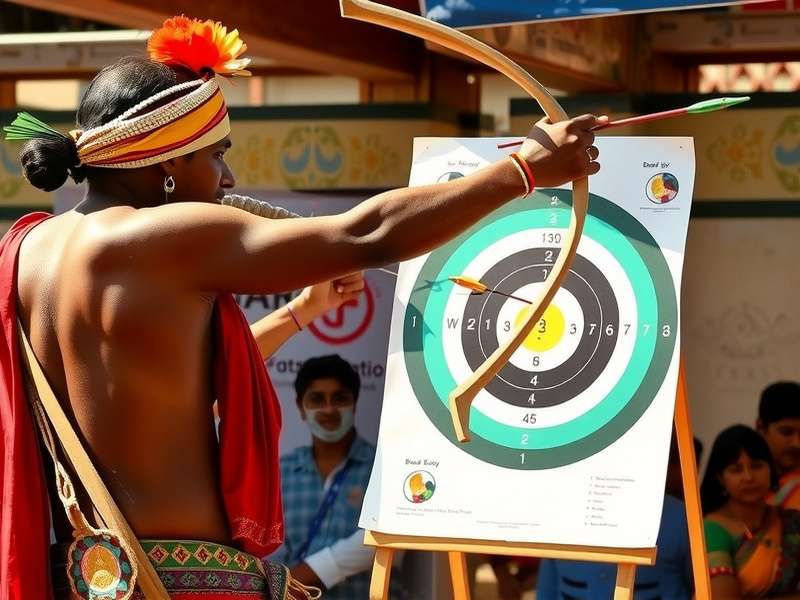
Traditional archer demonstrating the precise form required in Brahmin Arrow Ace competitions
Historical Origins and Development
The origins of Brahmin Arrow Ace can be traced back to ancient Vedic periods, where archery held significant importance in both warfare and spiritual practices. Historical texts mention specialized archery techniques practiced by Brahmin communities.
During the Gupta Empire (c. 320-550 CE), archery evolved into a formalized sport with standardized rules and competitions. The Brahmin Arrow Ace format emerged as a distinct discipline that emphasized precision over power, accuracy over distance.
Medieval Indian manuscripts describe elaborate tournaments where participants would demonstrate their mastery of Brahmin Arrow Ace techniques before royal audiences. These events often coincided with religious festivals and cultural celebrations.
The colonial period saw a decline in traditional Indian sports, but Brahmin Arrow Ace was preserved through dedicated practitioners who maintained the knowledge through oral traditions and secret training methods.
In the post-independence era, efforts to revive traditional Indian sports led to the formal codification of Brahmin Arrow Ace rules and the establishment of national competitions. Today, the sport enjoys renewed interest among Indians seeking to reconnect with their cultural heritage.
Game Rules and Structure
Competition Format
Brahmin Arrow Ace competitions follow a structured format that tests various aspects of archery skill. Participants compete in multiple rounds, each with specific challenges and scoring systems.
The standard competition consists of three main phases: qualification rounds, elimination matches, and final championship rounds. Each phase has distinct rules and requirements that progressively increase in difficulty.
? Standard Rules: Traditional bows only, specific arrow types, timed rounds, precision scoring, spiritual protocols
Scoring System
The scoring in Brahmin Arrow Ace emphasizes precision above all else. Targets are typically circular with concentric scoring rings, but unlike Western archery, additional points are awarded for technical execution and form.
Scoring incorporates both objective measurements (arrow placement) and subjective evaluations (technique, form, spiritual adherence). Judges assess each shot based on multiple criteria beyond simple target hitting.
Advanced competitions may include moving targets, multiple simultaneous targets, or targets placed at unusual angles to test the archer's adaptability and skill variety within the Brahmin Arrow Ace tradition.
Specialized target used in Brahmin Arrow Ace competitions, showing complex scoring zones
Archery Techniques and Methods
Traditional Stances and Forms
Brahmin Arrow Ace utilizes distinctive stances derived from ancient Indian martial traditions. These stances emphasize balance, stability, and alignment with spiritual principles.
The "Vedic stance" involves specific foot placement, body alignment, and hand positions that differ significantly from Western archery techniques. This stance is designed to maximize accuracy while maintaining spiritual focus.
Advanced practitioners of Brahmin Arrow Ace master multiple shooting positions, including kneeling, seated, and moving shots. Each position has specific applications and is used in different competition scenarios.
Breath and Focus Techniques
Mental discipline is as important as physical skill in Brahmin Arrow Ace. Practitioners employ specialized breathing techniques derived from yoga and meditation practices to steady their aim and focus their intention.
The "Pranic aim" method involves synchronizing arrow release with specific points in the breathing cycle. This technique is unique to Brahmin Arrow Ace and requires extensive practice to master effectively.
?♂️ Mental Aspects: Meditation integration, breath control, visualisation techniques, spiritual alignment, focused intention
Visualization practices form another crucial component of Brahmin Arrow Ace training. Archers mentally rehearse each shot before execution, imagining the arrow's perfect flight path and target impact.
Cultural and Spiritual Significance
Brahmin Arrow Ace holds profound cultural significance in Indian tradition, representing more than just a physical sport. It embodies philosophical principles and spiritual values that have been passed down through generations.
The game is deeply connected to Hindu mythology, with references to divine archers like Arjuna from the Mahabharata. Practitioners of Brahmin Arrow Ace often see their training as a spiritual discipline that cultivates focus, patience, and self-mastery.
Traditional competitions begin with rituals and prayers that acknowledge the spiritual dimensions of the practice. These ceremonies connect participants to the long lineage of Brahmin Arrow Ace practitioners throughout Indian history.
? Spiritual Elements: Ritual ceremonies, philosophical foundations, connection to scriptures, meditation practices, ethical principles
Beyond its competitive aspects, Brahmin Arrow Ace serves as a living cultural heritage that preserves ancient Indian knowledge systems. The techniques, rituals, and philosophies associated with the game represent valuable intangible cultural heritage.
Modern revival efforts position Brahmin Arrow Ace as both a sport and cultural practice that can help contemporary Indians connect with their historical roots while developing valuable personal skills.
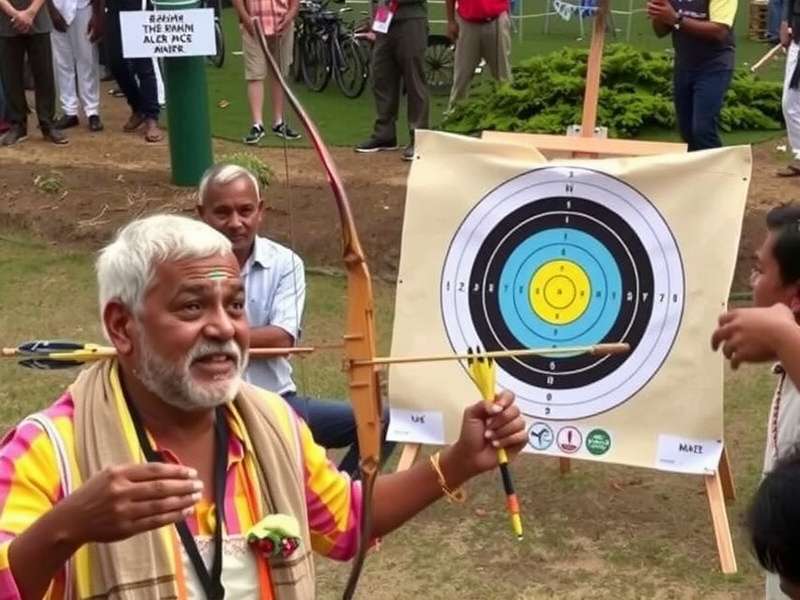
Traditional opening ceremony of a Brahmin Arrow Ace tournament, showing cultural rituals
Traditional Equipment and Gear
Bow Designs and Materials
Brahmin Arrow Ace utilizes specialized bow designs that differ from both Western and other Asian archery traditions. These bows are typically crafted from specific woods and materials according to traditional methods.
The classic "Dhanush" bow used in Brahmin Arrow Ace features a distinctive curvature and balance point that enables exceptional precision at moderate distances. Master bowyers employ techniques passed down through generations to create these instruments.
Traditional materials include bamboo, seasoned wood types native to the Indian subcontinent, and natural adhesives. The construction process often involves spiritual rituals and blessings at various stages.
Arrow Specifications
Arrows used in Brahmin Arrow Ace follow precise specifications regarding length, weight, balance, and fletching. Different arrow types are used for various competition phases and challenges.
The "Bana" arrows feature specific tip designs optimized for precision rather than penetration. Fletching typically uses natural feathers arranged in patterns that provide stable flight characteristics essential for the accuracy demands of Brahmin Arrow Ace.
? Equipment Standards: Traditional materials, specific dimensions, craftsmanship requirements, spiritual consecration, performance specifications
Modern competitive Brahmin Arrow Ace maintains strict requirements regarding equipment authenticity. While some modern materials are permitted, traditional designs and construction methods must be preserved.
Training and Mastery Path
Progressive Learning System
Mastering Brahmin Arrow Ace follows a structured progression that begins with fundamental techniques and advances through increasingly complex skills. The traditional learning path is divided into distinct stages.
Novices start with posture and breathing exercises before ever handling a bow. This foundation establishes the mental and physical discipline required for advanced Brahmin Arrow Ace practice.
Intermediate training introduces basic shooting techniques, target practice, and the beginning of spiritual components. Students learn to integrate physical action with mental focus in the context of Brahmin Arrow Ace principles.
Advanced Specializations
Advanced practitioners of Brahmin Arrow Ace specialize in particular techniques or competition formats. Some focus on extreme precision at fixed distances, while others master shooting under challenging conditions.
The highest levels of Brahmin Arrow Ace training involve spiritual mastery alongside technical perfection. Practitioners at this level serve as custodians of the tradition and often become teachers themselves.
? Learning Stages: Foundation building, technical mastery, spiritual integration, specialization, teaching transmission
Modern training approaches for Brahmin Arrow Ace combine traditional methods with contemporary sports science. This hybrid approach helps competitors achieve high performance while maintaining authentic technique.
Modern Revival and Competitions
The contemporary revival of Brahmin Arrow Ace began in the late 20th century as part of broader cultural preservation movements in India. Dedicated practitioners worked to reconstruct the rules, techniques, and spiritual aspects of the game.
National Brahmin Arrow Ace championships now attract participants from across India and the Indian diaspora. These events help standardize the sport while promoting its cultural significance to new generations.
International interest in Brahmin Arrow Ace has grown as practitioners of traditional archery worldwide discover its unique techniques and philosophical depth. Demonstration events have been held at international cultural festivals.
Academic research into Brahmin Arrow Ace has increased, with historians, sports scientists, and cultural scholars studying its techniques, history, and social significance. This research helps validate and preserve the tradition.
? Revival Efforts: Cultural organizations, academic research, competition circuits, youth programs, international demonstrations
Digital platforms have played a crucial role in the modern dissemination of Brahmin Arrow Ace knowledge. Online tutorials, virtual competitions, and social media communities help connect practitioners worldwide.
The future of Brahmin Arrow Ace looks promising as more Indians seek to reconnect with traditional practices. The sport's unique combination of physical challenge, mental discipline, and cultural significance appeals to modern sensibilities.