Overview of Archery Aces Indian Target
The Archery Aces Indian Target represents a traditional form of archery that has been practiced across the Indian subcontinent for centuries. This unique style combines precision, skill, and cultural heritage in a way that distinguishes it from other archery traditions worldwide.
Unlike Western archery which often focuses on standardized targets, the Archery Aces Indian Target system incorporates varied target sizes, distances, and materials that reflect the diverse geographical and cultural landscape of India. The practice is not merely a sport but a discipline that encompasses physical, mental, and spiritual development.
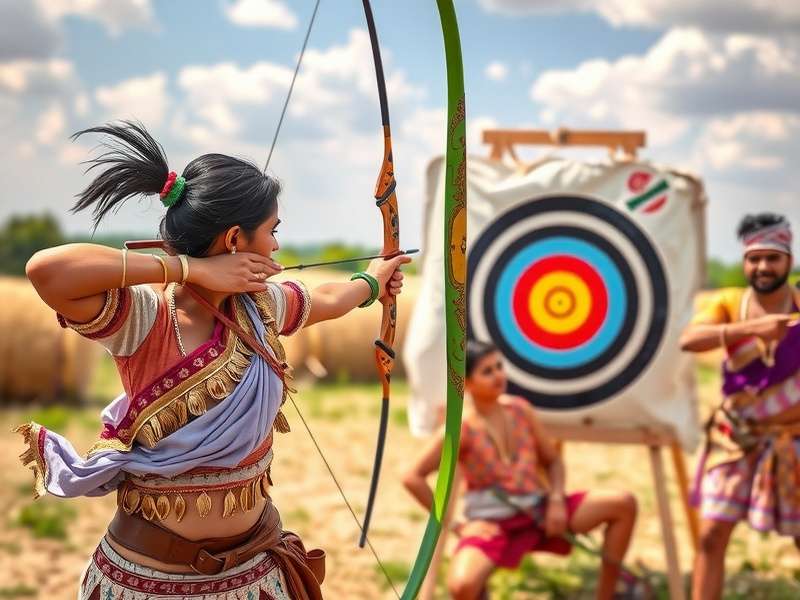
Participants in Archery Aces Indian Target competitions demonstrate extraordinary focus and control, often hitting targets with remarkable consistency. The game has evolved from ancient hunting and warfare techniques to become a respected sport and art form that continues to attract new generations of enthusiasts.
Historical Development
The origins of Archery Aces Indian Target can be traced back to ancient India, where archery was considered one of the most important martial skills. Historical texts and archaeological evidence suggest that sophisticated archery techniques were developed as early as the Vedic period (1500-500 BCE).
Historical Fact
The earliest references to organized archery in India appear in the Rigveda, where archery is described as both a martial skill and a spiritual practice. The Dhanurveda, an ancient military science text, contains detailed instructions on archery techniques that form the foundation of modern Archery Aces Indian Target.
Throughout Indian history, various regions developed their own distinctive styles of archery. The Rajputs of northwestern India were renowned for their cavalry archery, while the mountainous regions of the Himalayas produced expert archers who could hit targets in challenging terrain and weather conditions.
The Mughal era (1526-1857) saw further refinement of archery techniques, with the introduction of composite bows that combined different materials for improved performance. During this period, archery competitions became popular courtly entertainments, laying the groundwork for the organized sport we know today as Archery Aces Indian Target.
British colonial rule led to a decline in traditional Indian archery, as firearms became more prevalent and traditional martial practices were discouraged. However, dedicated practitioners preserved the knowledge and techniques, ensuring that the art of Archery Aces Indian Target would survive into the modern era.
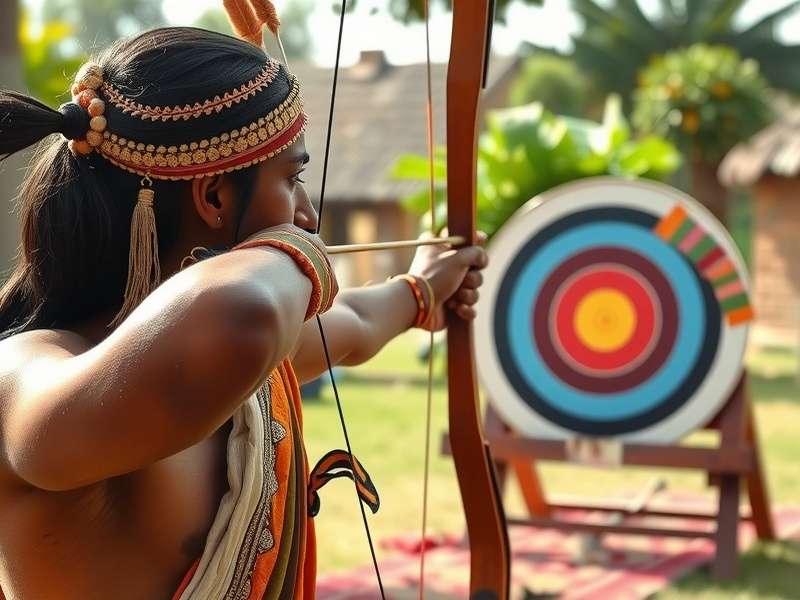
In the 20th century, there was a revival of interest in traditional Indian sports, including archery. This led to the formalization of rules and the establishment of organized competitions for Archery Aces Indian Target. Today, the sport enjoys growing popularity both within India and internationally.
Archery Techniques and Methods
The Archery Aces Indian Target discipline employs a variety of specialized techniques that have been refined over centuries. These methods emphasize efficiency, accuracy, and adaptability to different shooting scenarios.
Stance and Posture
Proper stance is fundamental to success in Archery Aces Indian Target. Archers typically adopt a stable, balanced position with feet shoulder-width apart. The body alignment is crucial, with the drawing shoulder slightly lowered and the bow arm extended but not locked.
Drawing Methods
Indian archery traditions include several distinctive drawing techniques. The "Mongolian release" using the thumb is common, as is the "Mediterranean release" with three fingers. The choice often depends on the type of bow and the archer's personal preference developed through years of practice in Archery Aces Indian Target.
- Thumb Draw: Traditional method using a thumb ring for protection and power
- Three-Finger Draw: Mediterranean style adapted for Indian bows
- Pinch Draw: Used with smaller traditional bows for quick shooting
Aiming Techniques
Unlike modern archery with its precise sights, traditional Archery Aces Indian Target relies on instinctive aiming or gap shooting. Instinctive shooting involves developing a subconscious feel for arrow trajectory through extensive practice, while gap shooting uses visual references between the arrow point and the target.
Pro Tip
Master archers of Archery Aces Indian Target often emphasize the importance of "seeing without looking" - maintaining soft focus on the target while allowing the body to align naturally for the shot.
Breathing and Focus
Mental discipline is as important as physical technique in Archery Aces Indian Target. Archers learn to control their breathing, typically exhaling slowly during the draw and releasing the arrow at the natural respiratory pause. This practice enhances stability and concentration.

Advanced practitioners of Archery Aces Indian Target often incorporate meditation and visualization techniques to improve performance. The mental aspect of the sport is considered essential for achieving consistent accuracy, especially in competition settings.
Traditional Equipment
The equipment used in Archery Aces Indian Target reflects centuries of innovation and adaptation to local conditions. Traditional Indian archery equipment is characterized by its functionality, durability, and cultural significance.
Bows
Traditional Indian bows come in several varieties, each suited to different purposes and regions. The most famous is the composite bow, made from layers of wood, horn, and sinew. These bows are renowned for their power and efficiency, storing more energy than simple wooden bows of similar size.
Other types include:
- Bamboo Bows: Common in northeastern regions, known for their flexibility
- Self Bows: Made from a single piece of wood, used for practice and hunting
- Metal-Reinforced Bows: Used in some royal and military contexts for added power
Arrows
Arrows for Archery Aces Indian Target are typically made from lightweight woods like bamboo or reed. The fletching traditionally uses feathers from local birds, and the arrowheads vary depending on the purpose - from simple target points to specialized hunting or warfare tips.
Equipment Note
Traditional arrow makers for Archery Aces Indian Target pay meticulous attention to spine (stiffness) and weight matching to ensure consistent flight characteristics across a set of arrows.
Accessories
Various accessories complement the bow and arrow in Archery Aces Indian Target. These include:
- Thumb Rings: Made from leather, bone, or precious metals to protect the thumb during drawing
- Arm Guards: Protect the bow arm from string slap
- Quivers: Traditionally made from leather or fabric, worn on the back or hip
- Bow Cases: Protect the bow during transport and storage
Modern practitioners of Archery Aces Indian Target sometimes incorporate contemporary materials while maintaining traditional designs and shooting styles. This blend of old and new helps preserve the art while making it accessible to today's enthusiasts.
Cultural Significance and Impact
Archery Aces Indian Target is deeply embedded in Indian culture, appearing in mythology, literature, art, and religious practices. The bow and arrow hold symbolic meaning beyond their practical applications, representing focus, determination, and the ability to overcome obstacles.
Mythological Connections
Indian epics are replete with references to archery. The Ramayana features Lord Rama, who breaks the divine bow of Shiva to win Sita's hand in marriage. In the Mahabharata, Arjuna exemplifies the perfect archer, whose skills are central to the epic's narrative. These stories have helped preserve interest in Archery Aces Indian Target across generations.
Festivals and Celebrations
Archery competitions often form part of traditional festivals in various regions of India. These events serve both as entertainment and as a way to maintain cultural traditions. In some communities, proficiency in Archery Aces Indian Target is still considered a mark of distinction.
Cultural Insight
In some tribal communities, archery skills are part of initiation rituals for young men, symbolizing their transition to adulthood and their responsibility to protect the community.
Modern Revival
In recent decades, there has been a significant revival of interest in traditional Indian archery, including Archery Aces Indian Target. This resurgence is part of a broader movement to preserve and promote indigenous sports and cultural practices.
Schools and organizations dedicated to traditional archery have emerged across India, offering training in Archery Aces Indian Target techniques. International interest has also grown, with practitioners from around the world seeking to learn these ancient methods.
Competitive Scene
While Archery Aces Indian Target maintains its traditional roots, it has also adapted to modern competitive formats. Tournaments now follow standardized rules while preserving the essential character of the sport. These events attract participants from diverse backgrounds, helping to ensure the continued vitality of this ancient practice.
The future of Archery Aces Indian Target looks promising, with growing recognition of its value as both a sport and a cultural heritage. As more people discover the satisfaction of mastering this traditional discipline, its practice is likely to continue expanding both within India and globally.